Pudge Guide for Beginners
Updated: (today) · 10 min read · Facts checked Oct 4, 2026 on patch 7.41
This Pudge guide for beginners covers what you need for your first games: what each spell does, which lane to try first, a simple way to think about items, and what to practice. Pudge looks simple, with one famous hook, but he rewards patience more than fast hands. Learn a few habits early and the hero becomes far more fun.
ADVICE
Who is Pudge, and why do new players pick him?
Pudge is a melee Strength hero. His roles are usually listed as disabler, initiator, durable and nuker. In plain words, he grabs enemies, holds them in place and takes a beating while doing it.
New players love him because one good hook feels amazing. You throw a chain across the screen, pull an enemy into your team, and the fight is over. Few heroes give such a clear moment of success.
The flip side is that a missed hook does nothing. Pudge has no spell that moves him away from danger, so a bad position often means death. That is why this guide spends as much time on habits as on spells.
If you want the story behind the butcher, read Pudge's lore. For his general stats and current data, start at the Pudge hero page.
What does each Pudge ability do?
Pudge has four spells you level up and one innate passive. Below is what each one does in words. Exact damage, range, cooldown and mana cost change with patches, so check the Pudge abilities page for current values.
Meat Hook
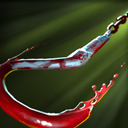 Meat Hook is the spell everyone knows. You aim it at a point on the ground, and a chain flies out in a straight line. The first unit it touches gets dragged back to Pudge. If that unit is an enemy, it also takes damage.
A few facts matter right away. The hook deals Pure damage, which armor does not reduce, and it pierces spell immunity. An enemy with an active Black King Bar still gets pulled, though the current BKB blocks the hook's Pure damage. It flies through trees and cliffs, and only units on its path can block it. That includes creeps, which is why hooks so often catch a creep instead of a hero.
The hook can also grab allies. That pulls them to you without hurting them, which can save a teammate who is about to die. The full mechanics are in the hook mechanics guide.
Rot
 Rot is a toggle. You turn it on and off. While it is on, enemies around you take damage and move slower. Pudge also takes damage from it, which is the price of using it.
Rot cannot kill Pudge, but it can leave you with very little health. It deals Magical damage and does not pierce spell immunity, so an enemy under Black King Bar ignores it. The main habit to learn is turning it off as soon as nobody is near.
Meat Shield
 Meat Shield covers Pudge in a layer of flesh that blocks incoming damage for a short time. It is an instant cast, so it does not stop what you are doing. It also cannot be dispelled.
Use it when an enemy starts attacking you or when a burst of spells is coming. Pressing it at random wastes mana. The Meat Shield guide shows good moments to use it.
Flesh Heap
 Flesh Heap is Pudge's innate passive, which means you do not need to learn it. Whenever an enemy hero dies near Pudge, or Pudge kills one, he gains permanent Strength. Strength adds health, so Pudge gets tougher as the game goes on.
You do not need the last hit for Flesh Heap to count. Being close when an enemy hero dies is enough. That alone is a good reason to stay near your team's fights.
Dismember
 Dismember is Pudge's ultimate. You target one enemy and channel. While you channel, the enemy cannot act, and they take damage over time. The damage grows with Pudge's Strength, and Pudge heals for the damage dealt.
Dismember deals Magical damage and pierces spell immunity. Only strong dispels remove it. Because it is a channel, a stun, silence or similar disable on Pudge breaks it. Any order you give also ends it early, so keep your hands still until it finishes. Learn more in the Dismember guide.
How do the spells work together?
The classic Pudge play is simple. You hook an enemy, turn on Rot so they cannot walk away easily, then cast Dismember to hold them while your team adds damage. Meat Shield comes out when the enemy fights back.
That order is not fixed. Sometimes you open with Dismember on a hero who walked close. Sometimes you hook an ally out of a bad fight instead. The point is to know what each spell does, then pick the one that fits the moment.
For more ways to chain spells, see the Pudge combos guide. Once the basics feel natural, it is worth a read.
How to start playing Pudge: which role should you try first?
Pudge can be played in several positions. For your first games, pick one and stick with it for a while. Changing roles every game makes it hard to learn anything.
Support in the safe lane
A common suggestion for new Pudge players is the hard support role, position five (pos five). You share the safe lane with your carry. You do not need much gold, so missing last hits hurts less. And you always have a partner nearby to follow up on your hooks.
The downside is that the job asks for map awareness. You need to place wards, watch your carry and leave lane at the right time. Our guide to winning lane as a hard support Pudge walks through that duty.
Roaming support
Position four (pos four) gives you more freedom to move between lanes. That suits Pudge, who is at his best when he appears from nowhere. It does mean more time alone, which can be harsh for a new player. The Pudge support tips cover both support positions.
Offlane
The offlane, position three (pos three), puts you against the enemy carry and their support. It is often a tough lane, and you may be alone. Pudge's health helps, but beginners can get punished here. If you want to try it, read the offlane tips first.
Mid
Many new players try Pudge mid first. Yet the solo lane is the hardest place to learn. You face one opponent alone, and every missed last hit is lost gold. Try it once the basics are solid. The mid tips guide explains the lane.
For a side-by-side look at item paths in every position, see builds by position.
What is an easy Pudge build for beginners?
There is no single beginner build that wins every game, and this site does not invent one. What we can do is show how to think about items, and point you to real data.
The Pudge build page lists what players actually buy, from starting items to late choices. It shows the patch, sample size and update date. The items page breaks the same data down by game phase. Use those as your shopping list.
A simple way to choose items
When you shop, ask what is stopping you from doing your job. Three questions cover most games.
- Can I reach my targets? If enemies walk away before you get close, mobility helps. Blink Dagger is a short teleport, and some players use it to close the gap for Dismember. See the Blink Dagger guide.
- Do I survive long enough? If you die before you cast anything, durability matters more than damage.
- Do enemies keep breaking my Dismember? Black King Bar gives spell immunity, which stops many disables. The BKB guide explains what it does and does not block.
Do not copy a list blindly. A beginner pudge build that ignores the enemy team is not easy, it is just wrong for that game.
What about items late in the game?
Aghanim's Shard upgrades Meat Hook: more damage on long pulls, and a shorter cooldown after hooking an ally. Aghanim's Scepter upgrades Rot. Both are optional. The late game guide explains when Pudge's role shifts and what still works.
How should you play your first games?
Your first few matches on Pudge are for learning, not for kills. Set small goals and you will improve much faster.
Before the game
Look at the enemy heroes during the draft. Note which ones have stuns or silences, because those break Dismember. Note which heroes are fast or can escape, because those dodge hooks more easily. The counters page shows which heroes Pudge tends to struggle against, with real data.
If you are unsure whether Pudge is a good pick at all, read when to pick Pudge.
In the first minutes
Buy your starting items, then help your team near the runes or go straight to lane. In lane, focus on staying alive and gaining experience. Last hit when it is safe.
Keep enough mana for one hook at all times. If you aim and change your mind, press Stop before the cast animation ends. That cancels the hook with no mana spent and no cooldown. Our early game guide covers the opening in more depth.
When you get your ultimate
Dismember changes how scary you are. A hook followed by Dismember can kill many heroes with help from a teammate. Look at the map and see if a nearby lane has an enemy pushed far forward.
Tell your team before you leave. Move through trees and fog, not along open paths. If the gank fails, go back to lane so you do not lose too much experience. The rotation timing guide has more on when to go.
In fights
Stay at the side of fights, hidden if you can. Wait for an enemy to step out of line, then hook. If an ally gets caught, consider hooking them out instead. Saving a teammate is often worth more than catching an enemy.
Use Meat Shield when enemies commit to you. Turn Rot off when it is not hitting anyone. The teamfight guide goes deeper.
Which habits should beginners learn first?
Hook aim gets the spotlight, but most beginner games are lost to simpler things. These habits matter more than any single hook.
Stand where the enemy cannot see you
Fog of war hides units no enemy can see. A Pudge in the trees is a mystery. A Pudge in the open is a target the enemy simply walks around. Read fog hooks to make the most of hidden spots.
Hook only when the line is clear
The hook stops on the first unit it meets. If a creep stands between you and the hero, the hook catches the creep instead. A non-ancient creep caught that way dies, but the hero stays free. Wait for a clean line rather than hoping.
Watch Rot like a hawk
New players often leave Rot on and walk around half dead. Toggle it off whenever nobody is close. The Rot guide gives simple rules.
Respect your mana
Mana runs low in the early game. A string of misses leaves you empty when the real chance appears. The mana guide shows how to stay ready.
What do beginners get wrong most often?
A few mistakes show up in almost every new Pudge's games.
- Throwing hooks into the creep wave and catching a creep.
- Standing in plain sight, so enemies always know where the hook will come from.
- Leaving Rot on and losing health for nothing.
- Casting Dismember on whoever is closest, instead of the target that matters.
- Diving alone with no allies ready to follow.
Our full list of common Pudge mistakes covers each one with fixes.
What should you practice outside of games?
Hook practice is the one skill you can train alone. Dota has a hero demo mode where you can play any hero and spawn units. Use it to learn how far the hook flies and how it feels against moving targets.
Start with standing creeps, then try moving ones. Focus on aiming where a unit will be, not where it is now. The hook practice guide has drills, and predicting hooks explains how to read movement.
Quick-cast settings also matter. Some players cast spells the instant they press a key, while others click to confirm. Try both. The quick cast guide explains the options.
Watching your own replays helps too. Pause after each missed hook and ask why it missed. Was there a creep in the way? Did the enemy change direction? Were they able to see you? Patterns appear quickly.
Where to go next?
Once the basics feel natural, branch out. The skill order guide explains how players level the spells. The combos guide teaches chains beyond hook into Dismember. Every other Pudge guide on the site lives in the guides hub.
When you want to see how Pudge does against a specific hero, open the Pudge matchup pages. Each one shows real data and lane advice for that opponent.
Checklist
- Read what each spell does on the abilities page before your first game.
- Start in one role, such as hard support, and stay there for a while.
- Hide in fog and throw hooks only through clear lines.
- Turn Rot off whenever nobody is near you.
- Keep enough mana for one hook at all times.
- Pick items by what is stopping you, using the build page data.
- Practice hooks in hero demo mode and review your missed hooks.
Read next: Pudge from the first game
- Pudge Laning TipsHow to lane as Pudge: where to stand, when to throw Meat Hook, how to use Rot without wasting health, and how to protect your lane partner.
- Pudge Early Game GuideWhat to do as Pudge early: contest bounty runes, choose your first skill, save mana for real hooks, keep Rot short and plan your first move out of lane.
- Pudge Mana ManagementHow to manage mana on Pudge: keep enough for a hook and Dismember before ganks, cancel bad hooks with Stop, and restore mana without losing lane time.
- Common Pudge MistakesThe common Pudge mistakes that lose games: blind hooks, standing in plain sight, leaving Rot on, wasting Dismember and forgetting Meat Shield.
- Pudge Late GameIs Pudge good late game? What still works: a hook and Dismember that pierce BKB, ally saves with Aghanim's Shard, Flesh Heap Strength and smoked pick-offs.
- When to Pick PudgeWhen Pudge is a good pick: drafts his hook and Dismember punish, drafts that block hooks or break his ultimate, and why a later pick often helps.
More Pudge guides
- Which Pudge Abilities Go Through BKB?Meat Hook and Dismember pierce spell immunity; Rot does not. How each Pudge ability works against BKB and how to play when the enemy goes immune.
- Pudge Teamfight TipsHow to play Pudge in teamfights: where to stand, which enemy to hook, when to use Dismember, how to save allies, and how Rot helps.
- Pudge Support TipsHow to play Pudge as a support: protect your carry, ward enemy paths, hook only when cores can follow up, and use Dismember to set up kills.