Pudge Builds by Position
Updated: (today) · 10 min read · Facts checked Oct 4, 2026 on patch 7.41
Pudge builds by position follow one rule: the role decides how much gold you get, and the gold decides your items. A core Pudge in the mid lane or offlane can afford mobility and personal defense. A support Pudge in position four or five spends on vision, saves and cheap utility first. This page walks through all five roles, what each asks of Pudge, and the item directions that fit.
ADVICE
It does not give a fixed list. Item choices should follow the enemy draft and the state of the game. For what Pudge players actually buy in each phase, see the items page and the build page, which use real match data.
What changes between Pudge positions?
Dota teams split the map into five roles. The safe lane carry and the mid player get the most farm. The offlaner gets less but still plays as a core. The two supports give up farm so the cores can grow.
Pudge's spells work in every role. 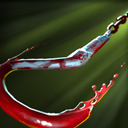 Meat Hook catches or saves heroes no matter how much gold you have.
 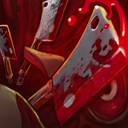 Dismember holds a target in place.
 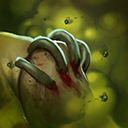 Rot slows and damages anyone near you.
 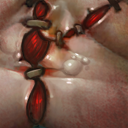 Meat Shield blocks some damage on demand, and
  Flesh Heap grows your Strength over time as you get kills.
What changes is the money. That changes three things about your build:
- Timing. A core reaches big items much sooner than a support.
- Who you protect. A support often buys items that help allies, while a core can spend on himself.
- How you start fights. With more gold, you can buy mobility to reach targets instead of walking in.
The next sections go role by role. The smaller item guides linked in each section go deeper on single items.
How do you build Pudge as position one (pos one)?
What the carry role asks
The safe lane carry is the hero the team builds around for the late game. The supports give them the lane, the farm and the space. In return, the carry is expected to win the long fights.
Pudge's kit is built around early plays with hooks and Dismember, and a farming carry uses that less. Still, a slow game with a calm lane can leave room for it.
Item directions for a carry Pudge
A carry Pudge usually leans on physical damage. Armor reduction, critical strikes and double attacks are the main options. Desolator lowers the armor of what you hit, which also helps your team. Daedalus adds random critical hits but is a costly, late item.
Be honest about the costs. These items take a long time to finish, and Pudge's spells do not scale with them. The full breakdown of each item, plus the trade-offs, is in the Pudge carry build guide.
Toughness still matters. A Strength item like Heart of Tarrasque adds a lot of Strength and regenerates health based on how much you are missing. More Strength also raises Dismember damage. Check how it scales on the abilities page.
Which items suit a mid Pudge?
What the mid role asks
The mid player is alone in the shortest lane. They get solo experience and gold and often reach key spells first. A good mid hero then leaves the lane to gank the sides.
For Pudge, that means two jobs. First, survive and win the solo lane with last hits and threat. Then use your hook and Dismember to make plays across the map. The mid lane tips cover both in detail.
Item directions for a mid Pudge
Early sustain and rune control come first. Bottle stores runes and restores health and mana over a short time, and it refills at the fountain. Its healing stops if an enemy hero hits you, so drink it while safe.
Mana is a frequent problem for a mid Pudge who throws many hooks. Soul Ring trades some of your health for a burst of mana, which fits a Strength hero. Arcane Boots restore mana to you and nearby allies. The mana management guide explains how to stop running dry.
After that, the mid role usually asks for a way to reach targets. Blink Dagger lets you skip the walk into Dismember range. Aghanim's Shard upgrades Meat Hook in the current patch, adding damage on long enemy hooks. Both are covered in the Blink Dagger guide.
If you are unsure what to buy first, the first item guide for mid compares the early options.
What does an offlane Pudge build need?
What the offlane role asks
The offlaner plays the hard lane against the enemy carry and their supports. The goal is often to survive, gain levels and make the enemy carry's farm harder. Later, the offlaner usually starts fights and stands at the front.
Pudge can fit this role. He is a Strength hero with a big health pool, and his kit punishes enemies who stand too close. The offlane tips explain how to play the lane itself.
Item directions for an offlane Pudge
Frontline items are the core of this role. You will take hits, so items that make taking hits useful fit well.
Blade Mail. Its active sends incoming damage back to the source for a short time. It is strong when enemy cores must attack you. It does nothing against an enemy with Black King Bar active, which grants immunity to reflected damage. The Blade Mail guide covers when it pays off.
Team auras and actives. Pipe of Insight shields nearby allies from magic damage. Crimson Guard gives nearby allies a short window of strong block against attacks. Vladmir's Offering gives an aura with lifesteal, armor and bonus damage to allies. Pick based on what the enemy deals.
Initiation. Blink Dagger is a common choice for a Pudge who starts fights. Black King Bar protects your Dismember channel from stuns and silences. The spell immunity guide explains how it interacts with each Pudge spell.
Against magic. If the enemy team is full of nukers, the items against magic guide compares Pipe, Glimmer Cape, Black King Bar and the new Consecrated Wraps.
What is a good pos four Pudge build?
What the soft support role asks
Position four is the roaming support, often called the soft support. This Pudge has a little more freedom than the hard support. He helps one lane early, then moves around the map looking for kills.
That role suits Pudge well. A surprise hook from the fog can turn any lane. The support tips cover the basics of playing a support Pudge.
Item directions for a position four Pudge
Gold is tight, so value per coin matters. A position four build usually mixes mobility, saves and items that help the team.
Smoke of Deceit and wards. Smoke hides you and nearby allies until enemies come close, which makes ganks far easier. Observer Wards show enemy paths so you can pick hook angles safely.
Mobility. Blink Dagger is a common goal for a roaming Pudge. Force Staff pushes any unit in the direction it faces, so it can save an ally or reposition you. Wind Lace is a cheap way to move faster early.
Saves. Glimmer Cape turns you or an ally invisible and adds a barrier against magic damage. It can be cast while channeling, according to the item tooltip.
Kill items. Spirit Vessel reduces an enemy's health over time and cuts their health restoration. It can heal an ally instead. It gains charges when enemy heroes die nearby. The Spirit Vessel guide shows when it fits.
What is a good pos five Pudge build?
What the hard support role asks
Position five is the hard support. This hero usually lanes with the carry, buys most of the vision and has the least gold on the team. The job is to keep the carry alive and growing.
Pudge can play this role, but the lane habits matter more than items. Pulling camps, blocking enemy harass and choosing safe hook moments all come first. The position five lane guide covers the lane step by step.
Item directions for a position five Pudge
Most of your early gold goes to the team. Wards, Sentry Wards against invisible heroes, and Smoke of Deceit are regular buys. Sentry Wards give true sight but no ground vision, so they work alongside other vision.
Cheap personal items keep you alive. Magic Wand restores health and mana based on charges, which it gains when visible enemies nearby use abilities. Tranquil Boots give strong health regeneration and speed, but the regeneration stops for a while when you attack a hero or get attacked.
As the game goes on, support items that help the whole team fit this role:
- Glimmer Cape to save a carry who is being focused.
- Force Staff to push an ally out of danger.
- Essence Distiller, a new support item, can heal allies, or be placed on the ground to latch onto the first enemy that walks close. On an enemy it deals damage over time and gives true sight over them.
- Pipe of Insight later, if the enemy deals a lot of area magic damage.
Some team boots are a late option too. Guardian Greaves heal and restore mana to nearby allies and remove most negative effects from you. Boots of Bearing give nearby allies a burst of speed and attack speed.
Which items work for Pudge in every role?
Some items fit almost any Pudge build. These are worth knowing whatever position you play.
Blink Dagger
It lets you reach targets for Dismember or Rot without the long walk. Taking damage from an enemy hero or Roshan locks it for a short time. Rot's damage to yourself does not count, so you can run Rot and still blink. The full rules are in the Blink Dagger guide.
Aghanim's Shard and Aghanim's Scepter
In the current patch, the Shard upgrades Meat Hook. Enemy hooks deal bonus damage based on the pulled distance, and ally hooks have their cooldown halved. The Scepter upgrades Rot: a bigger radius, more damage and reduced health restoration on enemies. Both have changed between patches before. The Aghanim's guide keeps track of them.
Black King Bar
It gives you spell immunity, basic dispels you on use and protects Dismember from most enemy disables. Its duration gets shorter each time you use it. A core is more likely to afford it, but a support can buy it in a long game.
Boots
Most roles want boots early. The type depends on your job. Phase Boots add damage and let you move through units for a moment, which fits a core. Arcane Boots help a team short on mana. Tranquil Boots suit a support who needs regeneration without spending on consumables.
How do you choose the right build in a real game?
Start with the role, then adjust to the enemy. A fixed build ignores the one thing that matters most: what the other team does.
Read the enemy draft
Count the enemy disables. If they can stop your Dismember easily, think about Black King Bar on a core or saves on a support. Count the magic nukes. If they are many, look at the magic defense items. Look for invisible heroes. Sentry Wards or an Essence Distiller can answer them.
Look at your own team
If your team already has lots of initiation, you may not need Blink Dagger as much. If nobody can save a focused ally, Glimmer Cape or Force Staff become more valuable. If your team lacks magic defense, a Pipe from the offlaner helps everyone.
Check the score and the clock
A losing game pushes you toward cheaper, defensive items. A winning game lets a core Pudge take risks on bigger items. A support in a long game can slowly add the team items that a short game never reaches.
Use the data, not a promise
No single build wins every game. This site does not claim a best build without data behind it. To see which items players actually buy and in what phase, check the items page and the build page. To see how Pudge fares against a specific hero, open the matchup pages.
Checklist
- Pick the item direction from your role first, then adjust to the enemy draft.
- As a core, plan for Blink Dagger or Black King Bar based on how you start fights.
- As an offlaner, choose Blade Mail, Pipe or Crimson Guard by what the enemy deals.
- As position four, save for mobility and saves while carrying Smoke and wards.
- As position five, fund vision first and add Glimmer Cape or Force Staff later.
- Recheck Aghanim's Shard and Scepter after each patch, since they have changed before.
- Compare your plan with real purchase data on the items page before each game.
Read next: Pudge items and roles
- Pudge Build Against Magic DamagePudge items vs magic damage: Pipe of Insight, Glimmer Cape, Black King Bar and Consecrated Wraps compared for support and core Pudge in the current patch.
- Pudge Carry BuildWhat a pos 1 Pudge carry build with Desolator, Daedalus and other physical items does, what it gives up, and when a right-click Pudge makes sense.
- Blade Mail on PudgeHow Blade Mail's damage return works on Pudge, why Rot's self-damage is not returned, and when offlane Pudge should buy it or skip it.
- Pudge Blink Dagger GuideHow Blink Dagger works on Pudge, why Rot does not lock it, the best blink combos, and how the current Aghanim's Shard Meat Hook upgrade fits in.
- Best First Item for Pudge MidWhich first item fits Pudge mid: Bottle for runes and ganks, Magic Stick against casters, Bracer against harass, or boots for early roaming.
- Pudge Urn of Shadows and Spirit VesselHow Urn of Shadows and Spirit Vessel work on Pudge: charges from nearby kills, healing allies after fights, and cutting enemy healing on a held target.
- Pudge Support TipsHow to play Pudge as a support: protect your carry, ward enemy paths, hook only when cores can follow up, and use Dismember to set up kills.
- How to Win Lane as Pudge Pos 5How to win the safe lane as hard support Pudge (pos 5): protect your carry, pull neutral camps, hook the offlaner only with follow-up and leave on time.
- Pudge Mid TipsHow to play Pudge mid: win the solo lane with last hits, throw hooks only through clear paths, push before roaming and gank pushed-out side lanes.
- Pudge Offlane TipsHow to play Pudge offlane (pos 3): survive a two-versus-one lane, punish greedy carries and pulling supports, push with Rot and pick when to rotate.
More Pudge guides
- Pudge Warding: Vision for Better HooksHow vision sets up Pudge hooks: where to ward, how trees and high ground hide you, when blind hooks are worth it, and how to clear enemy wards.
- How to Hook Allies as PudgeHow Pudge can hook allies to save them or move them into position, when an ally save is worth it, and when it is better to keep the hook for enemies.
Part of: How to Play Pudge