Pudge Carry Build
Updated: (today) · 4 min read · Facts checked Oct 4, 2026 on patch 7.41
A Pudge carry build trades his usual role as a ganker for right-click damage, often with items like Desolator and Daedalus. It can work in a slow game where you get space to farm, but it gives up much of what makes Pudge hard to play against. This page explains what the physical items do for him and what you lose; it does not claim that position one (pos one) Pudge wins more often.
ADVICE
What does a Pudge carry build look like?
The idea is simple. Instead of spending gold on mobility and saves, you buy items that make each attack hurt more. Pudge is a melee Strength hero, so some attack items that only work in melee range fit him on paper.
A physical build usually picks from three groups. Armor reduction makes every hit from you and your team land harder. Critical strikes add burst. Bash and double attack effects add control while you hit.
For what Pudge players actually buy in each phase, check the items page and the current build page. Those pages use real match data; this guide only explains the items.
What does Desolator do for Pudge?
Desolator adds a large chunk of attack damage. Its passive lowers the armor of whatever you hit for a few seconds. The armor cut also works on buildings, which helps you take towers.
The item grows a little each time an enemy hero dies while carrying its armor debuff. It has a cap, so the bonus stops at some point. Look up the exact numbers in the shop, since they shift between patches.
For Pudge, the armor cut matters most for allies. Your own 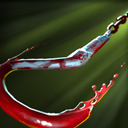 Meat Hook deals Pure damage, which ignores armor anyway. The debuff helps every physical hit that follows a hook or a
  Dismember.
What does Daedalus do for Pudge?
Daedalus adds a lot of attack damage and gives each attack a chance to critically strike. A critical hit deals a multiple of your normal damage. It does not work against buildings.
The catch is cost. Daedalus is one of the more expensive items in the shop and needs a Crystalys first. On a hero whose spells already do a lot of the work, that is a big bet on your right click.
Crits are random. They shine when you get many attacks on one target, for example while Dismember holds a hero still.
Which other physical items fit Pudge?
Skull Basher and Abyssal Blade. Melee heroes get a better chance to bash than ranged ones. Abyssal Blade also adds an active stun that pierces debuff immunity, with melee range.
Echo Sabre and Harpoon. Both make melee attacks hit twice in quick succession and slow on the first strike. Harpoon adds an active that pulls you and an enemy together.
Assault Cuirass. Its aura gives allies attack speed and armor and lowers enemy armor nearby. It helps the team even if your own damage is low.
Silver Edge. It turns you invisible and lets you walk through units. Attacking out of it deals bonus damage and disables the target's passives for a while.
What are the trade-offs of playing Pudge as a carry?
The first cost is time. Pure physical builds need many items before they come online. While you farm, you are not hooking or ganking, and the enemy gets free space.
The second cost is your spell kit. Meat Hook,  Rot and Dismember do not scale with attack damage. Dismember scales with Strength, and Desolator and Daedalus give none. Check the current scaling on the abilities page.
The third cost is attack speed. Damage items only pay off if you hit often. Desolator and Daedalus give no attack speed, so you may need other items to make them work.
There are upsides too. A Strength hero with a big health pool can survive long enough to land many hits. If the enemy lacks ways to kite you, a tanky melee carry can be awkward for them.
When does a physical Pudge build make sense?
Consider it when the game is slow, your team has other gankers, and the enemy front line is weak to armor reduction. Avoid it when the enemy has many slows or disarms, or when your team needs Pudge to make space early.
If you want a more common core path, the mid lane tips and offlane tips cover those roles. The guide to builds by position compares all five roles side by side.
Checklist
- Check the items page for what Pudge players really buy before you commit.
- Pick Desolator when your team deals mostly physical damage.
- Treat Daedalus as a late, expensive bet on your right click.
- Remember that hooks ignore armor; the armor cut helps your allies more.
- Add attack speed if your damage items give little of it.
- Drop the plan if the enemy has many slows, disarms or kiting heroes.
Read next: Pudge items and roles
- Big guide · Pudge Builds by PositionPudge builds by position: what carry, mid, offlane, pos 4 and pos 5 Pudge need from items, with item directions for each role and links to real buy data.
- Blade Mail on PudgeHow Blade Mail's damage return works on Pudge, why Rot's self-damage is not returned, and when offlane Pudge should buy it or skip it.
- Pudge Blink Dagger GuideHow Blink Dagger works on Pudge, why Rot does not lock it, the best blink combos, and how the current Aghanim's Shard Meat Hook upgrade fits in.
- Best First Item for Pudge MidWhich first item fits Pudge mid: Bottle for runes and ganks, Magic Stick against casters, Bracer against harass, or boots for early roaming.