Pudge Urn of Shadows and Spirit Vessel
Updated: (today) · 4 min read · Facts checked Oct 4, 2026 on patch 7.41
Urn of Shadows and Spirit Vessel are both in the current game, and both can fit a Pudge who joins many kills. Urn is the cheap version: it heals an ally or damages an enemy over time. Spirit Vessel adds damage based on the target's current health and cuts the enemy's healing, which makes it a strong pick against heroes who rely on regeneration.
ADVICE
What do Urn of Shadows and Spirit Vessel do?
Both items share an active called Soul Release, and both use charges. A charge is spent each time you cast it.
On an ally, Soul Release gives health regeneration for a short time. On an enemy, it deals damage over time. The exact values change between patches, so check the Pudge items page and the in-game tooltip before you plan around them.
Spirit Vessel is the upgrade. On an enemy, it adds damage based on the target's current health. It also reduces how much healing and regeneration that enemy gets while the effect lasts.
How do the charges work?
The items gain charges when an enemy hero dies within range of you. When Spirit Vessel is empty, the next kill gives it more than one charge. It can also gain a charge when you die while it is empty.
When you upgrade Urn of Shadows into Spirit Vessel, the charges carry over. You do not lose what you have saved.
If one player carries both a Spirit Vessel and an Urn, only the Vessel gains charges. There is no point holding both.
Why do these items fit Pudge?
Pudge spends much of the game near kills. He ganks lanes, starts fights with 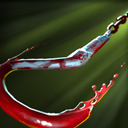 Meat Hook and holds a target with
 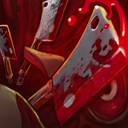 Dismember. Every enemy hero who dies nearby feeds the item's charges.
Pudge's innate  Flesh Heap also grows his Strength when enemy heroes die near him. So the same habit, staying close to kills, powers both his innate and his Urn.
The damage over time also helps finish a target who runs away after a hook. Combined with 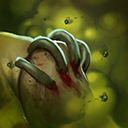 Rot, which slows and damages nearby enemies, it can turn a half-dead enemy into a kill.
When is Spirit Vessel worth the upgrade?
The main reason to upgrade is healing reduction. Some enemy heroes win fights by healing through damage. Others rely on lifesteal or strong regeneration items. Spirit Vessel reduces all of that on its target.
Consider the upgrade when:
- The enemy has a hero who heals allies often.
- An enemy core depends on lifesteal or regeneration to survive.
- You face a hero with a very large health pool, since the extra damage scales with current health.
- Your team lacks another source of healing reduction.
If none of this applies, a plain Urn might be enough, and the gold can go to items that help you hook or survive. The Pudge build page shows which items are core at the moment.
How do you use Urn on an ally?
The heal on an ally breaks when they take damage, for example from an enemy hero or Roshan. So it works best after a fight, not during one.
Good moments to heal an ally:
- After a gank, when your support is low and the enemy has backed off.
- Before a teammate walks back to lane instead of going to base.
- When an ally escapes a chase and is out of danger.
Do not cast it on an ally who is still being hit. The effect will end at once, and the charge is wasted.
How do you use it on an enemy after a hook?
A typical pattern is to hook a target, cast Dismember, and use Soul Release on that target. Spirit Vessel's healing reduction then makes it harder for the enemy's allies to save them with a heal.
You can also use it on a fleeing enemy you cannot catch. The damage keeps ticking as they run. This is useful when the enemy has low health but more speed than you.
Save charges when you can. If you burn every charge on small fights, you will have nothing for the big one. The Dismember guide has more on choosing the right target.
Is Urn better on support Pudge or core Pudge?
Urn is cheap and charges from kills, so it suits a support or roaming Pudge who joins many ganks. It gives useful healing and damage for little gold.
A core Pudge may skip it for items that add more personal power. Still, Spirit Vessel's healing reduction can be important in any role if the enemy draft depends on healing. Our guide to builds by position compares options for each role.
Checklist
- Buy Urn when you expect to join many kills early.
- Upgrade to Spirit Vessel against heavy healing or lifesteal.
- Heal allies only when they are out of combat.
- Use Soul Release on a Dismembered target to stop enemy heals.
- Stay near fights to collect charges and Flesh Heap stacks.
- Do not carry Urn and Spirit Vessel at the same time.
Read next: Pudge items and roles
- Big guide · Pudge Builds by PositionPudge builds by position: what carry, mid, offlane, pos 4 and pos 5 Pudge need from items, with item directions for each role and links to real buy data.
- Pudge Support TipsHow to play Pudge as a support: protect your carry, ward enemy paths, hook only when cores can follow up, and use Dismember to set up kills.
- How to Win Lane as Pudge Pos 5How to win the safe lane as hard support Pudge (pos 5): protect your carry, pull neutral camps, hook the offlaner only with follow-up and leave on time.
- Pudge Mid TipsHow to play Pudge mid: win the solo lane with last hits, throw hooks only through clear paths, push before roaming and gank pushed-out side lanes.
More Pudge guides
- Pudge Flesh Heap InnatePudge's innate Flesh Heap gives permanent Strength for nearby hero deaths. Facets were removed in 7.41: what changed and how to collect more stacks.
- Best First Item for Pudge MidWhich first item fits Pudge mid: Bottle for runes and ganks, Magic Stick against casters, Bracer against harass, or boots for early roaming.
- Pudge Build Against Magic DamagePudge items vs magic damage: Pipe of Insight, Glimmer Cape, Black King Bar and Consecrated Wraps compared for support and core Pudge in the current patch.